Jun 13, 2026
Founded in 1956, the Graham Foundation for Advanced Studies in the Fine Arts fosters the development and exchange of diverse and challenging ideas about architecture and its role in the arts, culture, and society. The Graham realizes this vision through making project-based grants to individuals and organizations and producing exhibitions, events, and publications.
-
CURRENT EXHIBITION
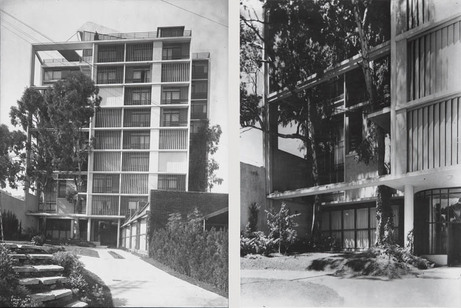
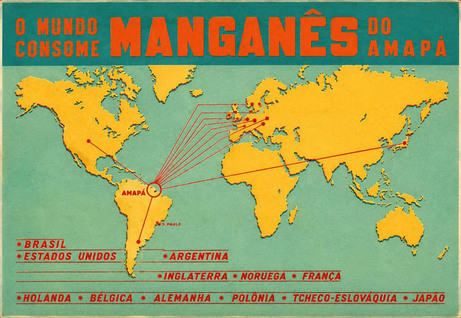
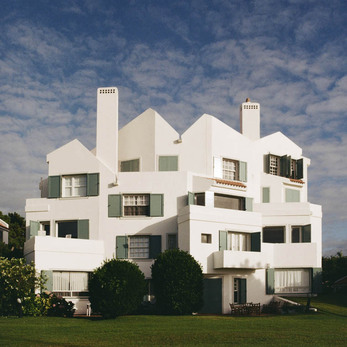
Latinitudes: A Collection of Latin American Modern Architecture
On view through July 18, 2026GALLERY AND BOOKSHOP HOURS
Wed–Sat, 12–5 p.m.
UPCOMING EVENT
Patricio del Real—Constructing Latin America: Architecture, Politics, and Race at the Museum of Modern Art, June 25, 6 p.m.
CONTACT
312.787.4071
info@grahamfoundation.orgupcoming grant deadlines
join our email list
(Lagos, Nigeria)
RESEARCH(Mauritius and New York, NY)
RESEARCH(Prague, Czech Republic)
PUBLICATION(Brescia and Milan, Italy)
PUBLICATION(Mexico City, Mexico)
PUBLICATION(Cambridge, MA and Syracuse, NY)
PUBLICATION(London, United Kingdom)
RESEARCH(Princeton, NJ)
VIDEO SERIES(New York, NY)
RESEARCH(Atlanta, GA and Charlotte, NC)
PUBLICATION(Atlanta, GA)
PUBLICATION(London and Oxford, United Kingdom)
PUBLICATION(Beit Sahour, Palestine; London, United Kingdom; and Stockholm, Sweden)
PUBLICATION(Munich, Germany)
PUBLICATION(Milwaukee, WI and Philadelphia, PA)
RESEARCH(Sheffield, United Kingdom)
PUBLICATION(San José, Costa Rica and Mexico City, Mexico)
EXHIBITION(Berkeley, CA)
EXHIBITION(Cambridge, United Kingdom)
PUBLICATION(Mexico City, Mexico)
RESEARCH(New York, NY and Paris, France)
EXHIBITION(Ithaca, NY)
PUBLICATION(Philadelphia, PA)
RESEARCH(Los Angeles, CA and Richmond, VA)
EXHIBITION(New Haven, CT)
PUBLICATION(Brussels, Belgium and New York, NY)
EXHIBITION(London and Newcastle, United Kingdom; and Nairobi, Kenya)
PUBLICATION(El Cerrito, CA)
PUBLICATION(Beijing, China and New York, NY)
EXHIBITION(State College, PA)
RESEARCH(Santa Fe, NM)
PUBLICATION(New York, NY)
FILM(Berlin, Germany and Montreal, Canada)
PUBLICATION(New York, NY)
RESEARCH(London, United Kingdom)
RESEARCH(Somerville, MA)
PUBLICATION(Tulsa, OK)
RESEARCH(Buenos Aires, Argentina)
RESEARCH(New York, NY)
PUBLICATION(Chicago, IL)
EXHIBITION(Santo Domingo, Dominican Republic)
PUBLICATION(Albuquerque, NM; Minneapolis, MN; and Lubbock, TX)
RESEARCH(London, United Kingdom)
RESEARCH(New York, NY)
EXHIBITION(Zurich, Switzerland)
PUBLICATION(Zurich, Switzerland)
PUBLICATION(New York, NY and Rotterdam, the Netherlands)
EXHIBITION(New York, NY)
RESEARCH(Mexico City, Mexico)
EXHIBITION(Cambridge, United Kingdom and New York, NY)
FILM(Tucson, AZ)
EXHIBITION(Chicago, IL)
EXHIBITION(Ho Chi Minh City, Vietnam)
RESEARCH(Punta del Este, Uruguay)
PUBLICATION; ;Copyright © 2008–2026 Graham Foundation. All rights reserved.